Kemp Center – Practical Courses and Expert Training
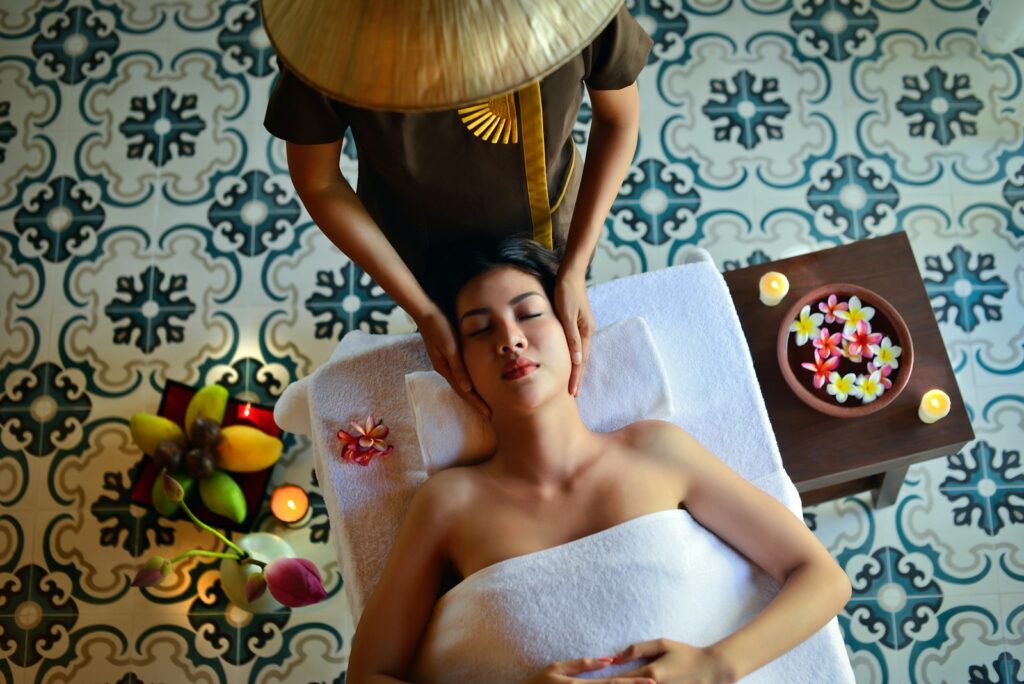
Massage therapy is a profession that combines your passion for wellness, your joy of making others feel better, and the need for practical skills that enables you to make a real difference. This ever-evolving career blends skill, science, and human connection, while offering you diverse opportunities across various fields, like fashion, health, entrepreneurship, etc.
Becoming a massage therapist requires that you carefully consider your options, from choosing the right training program to getting licensed and building a client base. However, regardless of where you’re starting from, having a clear roadmap can make all the difference.
In this guide, I’ll walk you through 15 essential tips that will help you launch your journey with confidence. These insights are based on practical experiences and designed to set you up for success, helping you turn your passion into a thriving and rewarding profession.
Brief Overview of Massage and Massage Therapy
Massage simply refers to the manual manipulation of the body’s soft tissues, which includes muscles, ligaments, tendons, and connective tissue, to promote relaxation, relieve tension, reduce pain, and improve circulation. How do I know all this? I have lived in practice for over a decade.
When it comes to massage, several techniques like kneading, stroking, stretching, or applying pressure are involved and solely depend on the client’s needs.
Massage therapy is a professional practice that uses massage techniques in a structured, therapeutic setting. A licensed massage therapist uses their vast anatomy, physiology, and body mechanics knowledge to personalize each session with their clients. Basically, massage therapy supports general wellness or helps patients manage specific conditions such as stress-related issues, muscle injuries, chronic pain, or limited mobility. It’s more than just a spa tool.
What Does a Massage Therapist Do?
I know that we have established that massage therapists provide relaxation and improve circulation. However, they do way more than that as they play an important role in promoting physical health, stress relief, and overall well-being.
Whether working in a spa, clinic, or private practice, they have duties that require technical skills, a strong sense of care, and professionalism. Some of these responsibilities include:
- Assessing their clients’ needs by reviewing medical history, discussing problem areas, and identifying any physical conditions or preferences before starting a session.
- Performing massage treatment using appropriate techniques such as Swedish, deep tissue, or trigger point therapy to relieve pain, improve circulation, and relax muscles.
- Taking session notes, progress, and any client feedback to support ongoing care and track treatment outcomes.
- Creating a safe, clean, and comfortable environment
- Educating clients on self-care methods and offering advice on stretching, posture, hydration, pain relief, or follow-up treatments to support recovery or relaxation.
- Respecting client’s confidentiality, maintaining boundaries, and adhering to various licensing regulations.
15 Practical Tips on Becoming a Massage Therapist
Venturing into massage therapy can be exciting, fulfilling even! However, without a strong footing, you are bound to feel overwhelmed, confused, and eventually discouraged. Here are 15 spot-on tips on how to successfully build a career as a massage therapist:
1. Understand the Role of a Massage Therapist
Do you want to pursue a career in massage therapy? It is important that beyond the techniques, you first understand your role, the mindset, and responsibilities behind the work as a massage therapist.
Aside from helping people relax, massage therapists work with clients to relieve pain, recover from injury, reduce stress, and support overall well-being.
Your typical day as a massage therapist could include:
- Assessing a client’s physical condition
- Customizing treatment plans
- Applying various massage techniques based on individual needs.
- Collaborating with medical professionals like chiropractors, physical therapists, caregivers, or wellness teams.
To thrive in this career, you must have a strong sense of empathy, great communication skills, physical stamina, and a commitment to hygiene and professionalism. Therapists must pay attention to even unspoken words, respect boundaries, and adapt to a wide range of physical and emotional client needs.
Your vast understanding of the various requirements, especially beyond the massage table, will help you enter the field with the right expectations and long-term mindset.
2. Research Local Licensing Requirements
Before engaging in your massage therapy training, it’s necessary to understand the licensing standards in your area. These requirements vary significantly depending on your country, state, or region, so knowing what’s expected will help you choose the perfect program and avoid delays later on.
In some areas, sports massage therapists must complete a certification from an accredited institution and obtain proper licensing, typically involving six months to one year of professional training in massage therapy. If you want to do sports massages, you can also check how to become a personal trainer. The combination of these professions will increase your chances on the labor market.
Be sure to identify additional obligations, as some areas require background checks, CPR certification, or proof of professional conduct. Understanding various renewal and continuing education rules is just as important, as this helps you avoid surprises and ensure you’re well-prepared to meet all legal and professional requirements in your various areas.
3. Choose the Right Massage Therapy School
One of the most crucial steps to becoming a massage therapist is selecting the right massage therapy school. It is no news that certification programs are created differently, and the quality of your education directly influences your skills, confidence, and the kind of opportunities you can pursue.
First, start by researching various accredited schools or institutions that meet your region’s licensing standards. Look into the curriculum; a strong program includes training in anatomy and physiology, practical training, ethics, hygiene, and client communication. Some institutions also offer training in specialized massage modalities like reflexology, sports massage, or prenatal massage.
Other important factors you should carefully consider include:
- Reputation and reviews from alumni
- Instructors’ experience, track records, and qualifications
- Flexibility of schedule, whether full-time, part-time, or weekend options
- Tuition affordability and financial aid availability
Ensure you visit the campus, interact with current students, and ensure that the program aligns with your goals, visions, preferences, and lifestyle. You could also benefit from online courses. There are some exciting courses at Kemp Center led by professionals in the field.
4. Make Sure the Career Suits Your Personality and Lifestyle
Massage therapy can be incredibly rewarding, just as much as the physical demands and emotional involvement. So, it’s important to honestly assess whether the career aligns with your personality, strengths, weaknesses, and lifestyle before committing to this career path.
Massage therapists spend long hours on their feet, often using their hands, arms, and bodies in repetitive motions. Most importantly, there is a need to be empathetic, a good listener, and comfortable working one-on-one in quiet, focused settings.
You should also consider emotional resilience, a flexible schedule, and personal boundaries. If you enjoy helping others, have a calm presence, and can care for your body as much as your clients’, massage therapy could be a sustainable and fulfilling career.
5. Explore Different Massage Specialties
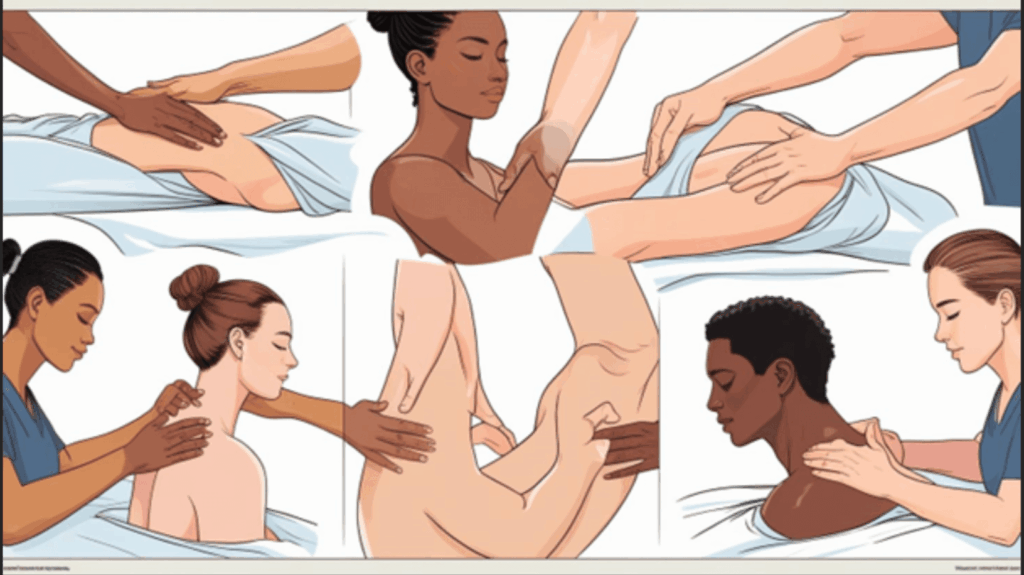
Massage therapy entails various specialties, each requiring its unique techniques and offering distinct results per the client’s needs. When you explore these options early in your career, it can help you focus on your training, align with whatever your interests are, and stand out in the industry.
Some of the most common massage therapy specialties include:
- Swedish massage
- Deep tissue massage
- Sports massage
- Medical or clinical massage
- Prenatal massage
- Reflexology
- Thai or Shiatsu Massage.
These massage techniques have unique methods and are tailored for different purposes. Gaining insight into these specialties can help you choose a niche that matches your personality, goals, and ideal clientele.
6. Complete the Required Training Hours
To become a licensed massage therapist, completing a set number of training hours at an accredited massage therapy program is compulsory. These hours should include a blend of theoretical study and hands-on practice, a vital requirement for certification and real-world readiness.
You should know that completing the required hours through a recognized and reputable school is key to passing your licensing exam and gaining insight and confidence to practice as a massage therapist.
7. Pass Your Licensing or Certification Exam
What is putting in the required hours without passing the licensing or certification exam? As soon as your required training hours are complete, the next important hurdle to cross is passing your licensing or certification exam.
Passing this exam officially qualifies you to practice as a massage therapist in your region, and it ensures you meet the professional standards expected in the field. To successfully ace this exam, you should carefully review study guides, practice exams provided by your training program or licensing board, devote yourself to a study group, and arrive prepared with all needed documents and identification on your exam day.
Passing this exam is more than just a formality; it represents your gateway into the world of massage therapy. With focused preparation and confidence in your training, you’ll be ready to take this important step.
8. Gain Professional Experience
Just like other things, when it comes to massage therapy, gaining theoretical knowledge sure builds your foundation; however, real growth happens from hands-on practice. Pursuing internships, clinical placements, or entry-level roles is best for upgrading your confidence, refining your technique, building your leadership skills, and learning how to adapt to different client needs.
Although many massage therapy programs add internships or supervised practicum in their curriculum, you can seek out opportunities in local spas, wellness centers, gyms, or physical therapy clinics. This practice lets you observe seasoned therapists and gain hands-on experience in a structured setting.
In addition, this phase focuses mainly on learning and building your skills, so be open to feedback and put in the work. Even a short-term experience can help build the confidence and professionalism needed for long-term success.
9. Start Building Your Professional Network
As important as your skills are as a massage therapist, having great connections can open just as many doors. I excelled by building a strong professional network early, and this helped me discover job opportunities, gain referrals, and stay informed about trends.
You can start by simply staying in touch with your classmates and instructors. Attending industry events, wellness fairs, or education workshops can put you at the front line for great opportunities.
Being active on social media can give you an edge as you could consider joining local or regional massage therapy groups where therapists share advice, job openings, and client-building tips. Never forget that in a people-focused profession like massage therapy, relationships matter, and the sooner you start building yours, the more momentum you’ll have as your career grows.
10. Invest in Essential Tools and Supplies

A great massage experience involves the use of the right tools and a well-prepared setup. Investing in quality equipment helps you work more efficiently and creates a safe and comfortable environment for your clients.
It is okay to start with the basics:
- A sturdy, portable, and adjustable massage table with good padding and supports different body types.
- Clean linens, towels, lotions or oils, and proper sanitation supplies to maintain hygiene between sessions.
As your business grows, consider adding extras to enhance the client experience, while choosing tools that match your style of massage and your work setting. Remember, buying the right supplies is a necessary investment in your professionalism and client satisfaction.
11. Create a Clean, Comfortable Client Experience
The environment you provide as a massage therapist is just as important as the technique you use. A clean, calm space will help your clients feel safe and relaxed, and make them more likely to return.
To some clients, comfort could also mean how you communicate. Greet your clients warmly, explain what they should expect, and always ask about any preferences or sensitivities before starting the session.
In summary, a well-prepared, welcoming space supports your client’s well-being, as well as enhances your reputation as a reliable and thoughtful massage therapist.
12. Decide on Your Work Environment
A career in massage therapy comes with the flexibility to choose where and how you want to work. As interesting as this is, it could get tricky, which is why it’s important to consider which type of setting fits your skills, personality, and long-term goals.
While some therapists prefer working in spas or wellness centers, others thrive in clinical or medical environments. Each work environment has its pros and challenges, so it’s necessary to take time to reflect on where you’ll feel most fulfilled, while being open to exploring different settings early in your career as a massage therapist.
13. Learn Basic Business and Marketing Skills
To become a successful massage therapist, you must understand the basics of business and marketing, especially if you plan to work independently or open your practice. Knowing how to set your service rates, manage appointments, handle taxes, and keep accurate financial records helps you set clear goals and track your progress as you grow.
Marketing is just as important as building a strong local online and offline presence can help you attract new clients. As much as a clean, professional website, active social media profiles, positive client reviews, and word-of-mouth go a long way in establishing credibility. Check out this guide I made on starting the business side of any profession.
Note: The more confident you are on the business side, the faster your career as a massage therapist picks up.
14. Continue Your Education and Certifications
Change is a constant thing, which is also true for massage therapy. So, learning doesn’t stop even after you get licensed. Continuous learning sharpens your skills and keeps you competitive, increasing your value to your clients.
Whether it’s learning new things or brushing up on your existing knowledge, it’s definitely a smart investment in your long-term growth and professional reputation.
15. Stay Committed to Self-Care and Professional Boundaries
Massage therapy involves using your body, energy, and presence for long hours, which makes it important to take proper care of yourself. This self-care could involve being intentional with your regular stretching, strength training, and proper posture.
Furthermore, setting clear expectations with your clients about their appointment times and communication is just as important as emotional and professional boundaries. You should maintain a respectful, professional atmosphere, protecting your career and passion for the work.
Becoming A Licensed Massage Therapist – Summary
Aspiring to become a massage therapist and becoming one are two distinct things. One that requires your dedication, strength, and immense commitment to wanting what you desire.
With this blueprint, you can go ahead to build the massage therapy career that you’ve envisioned. This massage therapist course, by an expert therapist, with its practical exercises, reference materials, and valuable certificate, sets you up for success as you embark on this journey.